Veggies Wholesalers: The Heart of the Vegetable Wholesale Market
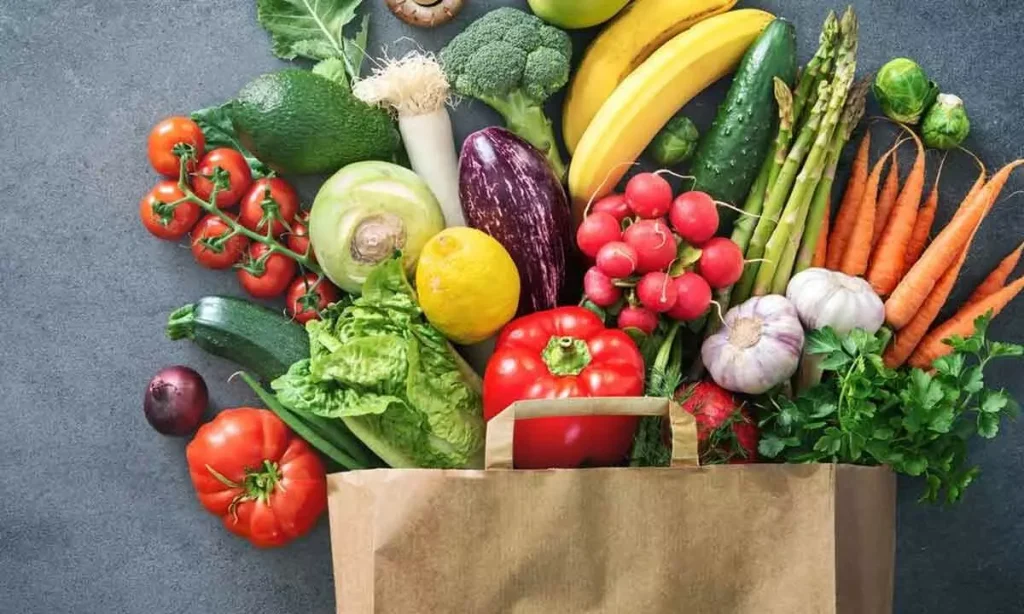
In today’s fast-paced world, access to fresh, healthy produce is essential. Behind the abundance of vegetables found in markets and grocery stores is a vast network of veggies wholesalers who keep the supply chain moving. Operating mainly through the vegetable wholesale market, these professionals play a key role in connecting farms with businesses and consumers alike.
Whether you’re a restaurant owner, small retailer, or aspiring entrepreneur, understanding how the vegetable wholesale market works—and how to buy or sell bulk fresh vegetables—can make all the difference.
What is a Vegetable Wholesale Market? AND HOW DOES IT CONNECT US WITH THE FARMS AND FRESH VEGGIES
The Core of Fresh Produce Distribution
A vegetable wholesale market is a centralized hub where vegetables are bought and sold in large quantities. These markets are typically operated by a combination of farmers, wholesalers, and distributors who handle bulk fresh vegetables for resale to retailers, supermarkets, food service providers, and more.
Why It Matters
The wholesale market ensures:
- Fair pricing for farmers
- Competitive rates for buyers
- Efficient distribution of seasonal produce
- Minimal wastage through faster turnover
Most cities around the world have designated wholesale markets that handle fresh vegetables daily, contributing significantly to food security and economic activity.
Who Are Veggies Wholesalers? AND HOW DO THEY EFFECT THE WHOLE MARKET AND CONNECT FARMS TO BUISNESS
Key Middlemen in the Supply Chain AND THE SUPPLIERS CONNECTING THE FARMS TO LARGE BUISNESSES
Veggies wholesalers are the backbone of the vegetable wholesale market. They purchase large volumes of vegetables from farmers or collection centers and then distribute them to:
- Grocery stores and supermarkets
- Hotels, restaurants, and caterers (HORECA)
- Institutional buyers (schools, hospitals, etc.)
- Retail vendors and stalls
They ensure timely delivery of bulk fresh vegetables at prices that are affordable and profitable for both ends of the supply chain.
Types of Veggies Wholesalers
1. Traditional Wholesalers
Operate in physical wholesale markets or mandis and cater to small retailers or street vendors.
2. Modern Supply Distributors
These are large companies that supply supermarket chains, restaurants, and food processors with bulk fresh vegetables. They often have contracts with large farms.
3. Online Vegetable Wholesalers
Leverage e-commerce platforms to allow bulk vegetable ordering with doorstep delivery. Popular in urban areas.
4. Organic Veggie Wholesalers
Specialize in chemical-free, organic produce for health-conscious consumers and premium markets.
Benefits of Buying from the Vegetable Wholesale Market
Access to Bulk Fresh Vegetables
Wholesalers offer a wide variety of vegetables, including seasonal, exotic, and organic options in bulk quantities. This is perfect for businesses needing consistent supply.
Cost Savings
Because products are sold in bulk directly from farms or aggregators, buyers enjoy better prices than in retail stores.
Freshness Guaranteed
Since produce is harvested and transported quickly to wholesale markets, the vegetables are usually fresher than those that sit on supermarket shelves for days.
Business Growth Opportunities
Retailers and restaurants can build stable relationships with wholesalers to ensure reliable supply and favorable terms.
How the Vegetable Wholesale Supply Chain Works
Step-by-Step Breakdown
Step 1: Farm Harvesting
Farmers harvest vegetables and transport them to collection centers or directly to the vegetable wholesale market.
Step 2: Grading and Sorting
Wholesalers or market staff grade and sort produce based on size, color, and quality. This step ensures consistency for buyers.
Step 3: Bulk Sale
Vegetables are displayed in large lots and sold in bulk fresh vegetables units (e.g., sacks, crates).
Step 4: Distribution
Once purchased, the vegetables are loaded and delivered to shops, restaurants, or institutions using transport vehicles—some with cold storage capabilities.
Tips for Buyers in the Vegetable Wholesale Market
1. Know Your Requirements
Have a clear idea of how much of each vegetable you need. Overbuying can lead to spoilage and losses.
2. Build Relationships
Develop trust with reliable wholesalers who can offer you the best deals and inform you of price changes or product availability.
3. Check Quality
Always inspect the produce before buying. Look for freshness, color, and absence of rot or pests.
4. Time Your Visits
Arrive early at the wholesale market to get the freshest pick of the day’s produce.
5. Understand Pricing Trends
Vegetable prices change based on seasons, weather, and supply levels. Monitor these trends to buy smart.
Challenges Faced by Veggies Wholesalers
1. Perishability
Vegetables are highly perishable and must be sold quickly. Delays in storage or transport can result in waste.
2. Price Fluctuations
Wholesale vegetable prices can vary daily, making budgeting a challenge for both buyers and sellers.
3. Weather Dependency
Natural calamities or seasonal changes can affect harvests and lead to supply chain disruptions.
4. Logistics
Proper storage and timely transportation are crucial. Cold chain logistics are essential for leafy greens and delicate vegetables.
How to Start a Veggies Wholesaling Business
1. Research Local Demand
Understand which vegetables are consumed in large quantities and when demand peaks (e.g., festive seasons, summer months).
2. Find Reliable Farmers or Suppliers
Build partnerships with local farms or aggregators who can supply bulk fresh vegetables consistently.
3. Set Up a Distribution Channel
Arrange vehicles for delivery, possibly including cold storage facilities for sensitive produce.
4. Register Your Business
Follow food safety regulations and obtain required licenses based on your location.
5. Use Technology
Leverage mobile apps, Excel sheets, or inventory software to track purchases, deliveries, and customer accounts.
Top Vegetables Sold in Wholesale Markets
| Vegetable | Reason for Popularity |
|---|---|
| Potatoes | Long shelf life, high demand |
| Onions | Daily essential in all cuisines |
| Tomatoes | Used in almost every cooked dish |
| Cabbage & Cauliflower | Affordable and easy to store |
| Spinach & Greens | Popular among health-conscious buyers |
| Bell Peppers | Premium item for restaurants |
These vegetables form the core of the bulk fresh vegetables market in most countries due to their popularity and profitability.
Emerging Trends in the Vegetable Wholesale Market
1. E-Commerce and Online B2B Platforms
Platforms like Udaan, Jumbotail, and others are changing the way bulk fresh vegetables are ordered and delivered.
2. Demand for Organic Produce
Health trends are pushing wholesalers to source and distribute more organic vegetables.
3. Cold Chain Expansion
Improved storage and refrigerated transport are reducing spoilage and expanding distribution to distant regions.
4. Farm-to-Table Models
Wholesalers are working directly with farms to ensure traceability and better profit margins for farmers.
Conclusion
The vegetable wholesale market is a thriving, dynamic ecosystem that plays a critical role in the global food supply chain. From the early morning hustle of traditional wholesale markets to the streamlined operations of online distribution platforms, veggies wholesalers ensure that households and businesses alike have access to bulk fresh vegetables at the right price and quality.
Whether you’re looking to enter the business or simply source better produce for your store or restaurant, understanding the structure, challenges, and opportunities of this sector is key. With rising demand, increasing digitalization, and growing awareness about food quality, the future of vegetable wholesaling looks promising.Veggies Wholesalers: The Heart of the Vegetable Wholesale Market
In today’s fast-paced world, access to fresh, healthy produce is essential. Behind the abundance of vegetables found in markets and grocery stores is a vast network of veggies wholesalers who keep the supply chain moving. Operating mainly through the vegetable wholesale market, these professionals play a key role in connecting farms with businesses and consumers alike.
Whether you’re a restaurant owner, small retailer, or aspiring entrepreneur, understanding how the vegetable wholesale market works—and how to buy or sell bulk fresh vegetables—can make all the difference.
What is a Vegetable Wholesale Market?
The Core of Fresh Produce Distribution
A vegetable wholesale market is a centralized hub where vegetables are bought and sold in large quantities. These markets are typically operated by a combination of farmers, wholesalers, and distributors who handle bulk fresh vegetables for resale to retailers, supermarkets, food service providers, and more.
Why It Matters
The wholesale market ensures:
- Fair pricing for farmers
- Competitive rates for buyers
- Efficient distribution of seasonal produce
- Minimal wastage through faster turnover
Most cities around the world have designated wholesale markets that handle fresh vegetables daily, contributing significantly to food security and economic activity.
Who Are Veggies Wholesalers?
Key Middlemen in the Supply Chain
Veggies wholesalers are the backbone of the vegetable wholesale market. They purchase large volumes of vegetables from farmers or collection centers and then distribute them to:
- Grocery stores and supermarkets
- Hotels, restaurants, and caterers (HORECA)
- Institutional buyers (schools, hospitals, etc.)
- Retail vendors and stalls
They ensure timely delivery of bulk fresh vegetables at prices that are affordable and profitable for both ends of the supply chain.
Types of Veggies Wholesalers
1. Traditional Wholesalers
Operate in physical wholesale markets or mandis and cater to small retailers or street vendors.
2. Modern Supply Distributors
These are large companies that supply supermarket chains, restaurants, and food processors with bulk fresh vegetables. They often have contracts with large farms.
3. Online Vegetable Wholesalers
Leverage e-commerce platforms to allow bulk vegetable ordering with doorstep delivery. Popular in urban areas.
4. Organic Veggie Wholesalers
Specialize in chemical-free, organic produce for health-conscious consumers and premium markets.
Benefits of Buying from the Vegetable Wholesale Market
Access to Bulk Fresh Vegetables
Wholesalers offer a wide variety of vegetables, including seasonal, exotic, and organic options in bulk quantities. This is perfect for businesses needing consistent supply.
Cost Savings
Because products are sold in bulk directly from farms or aggregators, buyers enjoy better prices than in retail stores.
Freshness Guaranteed
Since produce is harvested and transported quickly to wholesale markets, the vegetables are usually fresher than those that sit on supermarket shelves for days.
Business Growth Opportunities
Retailers and restaurants can build stable relationships with wholesalers to ensure reliable supply and favorable terms.
How the Vegetable Wholesale Supply Chain Works
Step-by-Step Breakdown
Step 1: Farm Harvesting
Farmers harvest vegetables and transport them to collection centers or directly to the vegetable wholesale market.
Step 2: Grading and Sorting
Wholesalers or market staff grade and sort produce based on size, color, and quality. This step ensures consistency for buyers.
Step 3: Bulk Sale
Vegetables are displayed in large lots and sold in bulk fresh vegetables units (e.g., sacks, crates).
Step 4: Distribution
Once purchased, the vegetables are loaded and delivered to shops, restaurants, or institutions using transport vehicles—some with cold storage capabilities.
Tips for Buyers in the Vegetable Wholesale Market
1. Know Your Requirements
Have a clear idea of how much of each vegetable you need. Overbuying can lead to spoilage and losses.
2. Build Relationships
Develop trust with reliable wholesalers who can offer you the best deals and inform you of price changes or product availability.
3. Check Quality
Always inspect the produce before buying. Look for freshness, color, and absence of rot or pests.
4. Time Your Visits
Arrive early at the wholesale market to get the freshest pick of the day’s produce.
5. Understand Pricing Trends
Vegetable prices change based on seasons, weather, and supply levels. Monitor these trends to buy smart.
Challenges Faced by Veggies Wholesalers
1. Perishability
Vegetables are highly perishable and must be sold quickly. Delays in storage or transport can result in waste.
2. Price Fluctuations
Wholesale vegetable prices can vary daily, making budgeting a challenge for both buyers and sellers.
3. Weather Dependency
Natural calamities or seasonal changes can affect harvests and lead to supply chain disruptions.
4. Logistics
Proper storage and timely transportation are crucial. Cold chain logistics are essential for leafy greens and delicate vegetables.
How to Start a Veggies Wholesaling Business
1. Research Local Demand
Understand which vegetables are consumed in large quantities and when demand peaks (e.g., festive seasons, summer months).
2. Find Reliable Farmers or Suppliers
Build partnerships with local farms or aggregators who can supply bulk fresh vegetables consistently.
3. Set Up a Distribution Channel
Arrange vehicles for delivery, possibly including cold storage facilities for sensitive produce.
4. Register Your Business
Follow food safety regulations and obtain required licenses based on your location.
5. Use Technology
Leverage mobile apps, Excel sheets, or inventory software to track purchases, deliveries, and customer accounts.
Top Vegetables Sold in Wholesale Markets
| Vegetable | Reason for Popularity |
|---|---|
| Potatoes | Long shelf life, high demand |
| Onions | Daily essential in all cuisines |
| Tomatoes | Used in almost every cooked dish |
| Cabbage & Cauliflower | Affordable and easy to store |
| Spinach & Greens | Popular among health-conscious buyers |
| Bell Peppers | Premium item for restaurants |
These vegetables form the core of the bulk fresh vegetables market in most countries due to their popularity and profitability.
Emerging Trends in the Vegetable Wholesale Market
1. E-Commerce and Online B2B Platforms
Platforms like Udaan, Jumbotail, and others are changing the way bulk fresh vegetables are ordered and delivered.
2. Demand for Organic Produce
Health trends are pushing wholesalers to source and distribute more organic vegetables.
3. Cold Chain Expansion
Improved storage and refrigerated transport are reducing spoilage and expanding distribution to distant regions.
4. Farm-to-Table Models
Wholesalers are working directly with farms to ensure traceability and better profit margins for farmers.
Conclusion
The vegetable wholesale market is a thriving, dynamic ecosystem that plays a critical role in the global food supply chain. From the early morning hustle of traditional wholesale markets to the streamlined operations of online distribution platforms, veggies wholesalers ensure that households and businesses alike have access to bulk fresh vegetables at the right price and quality.
Whether you’re looking to enter the business or simply source better produce for your store or restaurant, understanding the structure, challenges, and opportunities of this sector is key. With rising demand, increasing digitalization, and growing awareness about food quality, the future of vegetable wholesaling looks promising.Veggies Wholesalers: The Heart of the Vegetable Wholesale Market
In today’s fast-paced world, access to fresh, healthy produce is essential. Behind the abundance of vegetables found in markets and grocery stores is a vast network of veggies wholesalers who keep the supply chain moving. Operating mainly through the vegetable wholesale market, these professionals play a key role in connecting farms with businesses and consumers alike.
Whether you’re a restaurant owner, small retailer, or aspiring entrepreneur, understanding how the vegetable wholesale market works—and how to buy or sell bulk fresh vegetables—can make all the difference.
What is a Vegetable Wholesale Market?
The Core of Fresh Produce Distribution
A vegetable wholesale market is a centralized hub where vegetables are bought and sold in large quantities. These markets are typically operated by a combination of farmers, wholesalers, and distributors who handle bulk fresh vegetables for resale to retailers, supermarkets, food service providers, and more.
Why It Matters
The wholesale market ensures:
- Fair pricing for farmers
- Competitive rates for buyers
- Efficient distribution of seasonal produce
- Minimal wastage through faster turnover
Most cities around the world have designated wholesale markets that handle fresh vegetables daily, contributing significantly to food security and economic activity.
Who Are Veggies Wholesalers?
Key Middlemen in the Supply Chain
Veggies wholesalers are the backbone of the vegetable wholesale market. They purchase large volumes of vegetables from farmers or collection centers and then distribute them to:
- Grocery stores and supermarkets
- Hotels, restaurants, and caterers (HORECA)
- Institutional buyers (schools, hospitals, etc.)
- Retail vendors and stalls
They ensure timely delivery of bulk fresh vegetables at prices that are affordable and profitable for both ends of the supply chain.
Types of Veggies Wholesalers
1. Traditional Wholesalers
Operate in physical wholesale markets or mandis and cater to small retailers or street vendors.
2. Modern Supply Distributors
These are large companies that supply supermarket chains, restaurants, and food processors with bulk fresh vegetables. They often have contracts with large farms.
3. Online Vegetable Wholesalers
Leverage e-commerce platforms to allow bulk vegetable ordering with doorstep delivery. Popular in urban areas.
4. Organic Veggie Wholesalers
Specialize in chemical-free, organic produce for health-conscious consumers and premium markets.
Benefits of Buying from the Vegetable Wholesale Market
Access to Bulk Fresh Vegetables
Wholesalers offer a wide variety of vegetables, including seasonal, exotic, and organic options in bulk quantities. This is perfect for businesses needing consistent supply.
Cost Savings
Because products are sold in bulk directly from farms or aggregators, buyers enjoy better prices than in retail stores.
Freshness Guaranteed
Since produce is harvested and transported quickly to wholesale markets, the vegetables are usually fresher than those that sit on supermarket shelves for days.
Business Growth Opportunities
Retailers and restaurants can build stable relationships with wholesalers to ensure reliable supply and favorable terms.
How the Vegetable Wholesale Supply Chain Works
Step-by-Step Breakdown
Step 1: Farm Harvesting
Farmers harvest vegetables and transport them to collection centers or directly to the vegetable wholesale market.
Step 2: Grading and Sorting
Wholesalers or market staff grade and sort produce based on size, color, and quality. This step ensures consistency for buyers.
Step 3: Bulk Sale
Vegetables are displayed in large lots and sold in bulk fresh vegetables units (e.g., sacks, crates).
Step 4: Distribution
Once purchased, the vegetables are loaded and delivered to shops, restaurants, or institutions using transport vehicles—some with cold storage capabilities.
Tips for Buyers in the Vegetable Wholesale Market
1. Know Your Requirements
Have a clear idea of how much of each vegetable you need. Overbuying can lead to spoilage and losses.
2. Build Relationships
Develop trust with reliable wholesalers who can offer you the best deals and inform you of price changes or product availability.
3. Check Quality
Always inspect the produce before buying. Look for freshness, color, and absence of rot or pests.
4. Time Your Visits
Arrive early at the wholesale market to get the freshest pick of the day’s produce.
5. Understand Pricing Trends
Vegetable prices change based on seasons, weather, and supply levels. Monitor these trends to buy smart.
Challenges Faced by Veggies Wholesalers
1. Perishability
Vegetables are highly perishable and must be sold quickly. Delays in storage or transport can result in waste.
2. Price Fluctuations
Wholesale vegetable prices can vary daily, making budgeting a challenge for both buyers and sellers.
3. Weather Dependency
Natural calamities or seasonal changes can affect harvests and lead to supply chain disruptions.
4. Logistics
Proper storage and timely transportation are crucial. Cold chain logistics are essential for leafy greens and delicate vegetables.
How to Start a Veggies Wholesaling Business
1. Research Local Demand
Understand which vegetables are consumed in large quantities and when demand peaks (e.g., festive seasons, summer months).
2. Find Reliable Farmers or Suppliers
Build partnerships with local farms or aggregators who can supply bulk fresh vegetables consistently.
3. Set Up a Distribution Channel
Arrange vehicles for delivery, possibly including cold storage facilities for sensitive produce.
4. Register Your Business
Follow food safety regulations and obtain required licenses based on your location.
5. Use Technology
Leverage mobile apps, Excel sheets, or inventory software to track purchases, deliveries, and customer accounts.
Top Vegetables Sold in Wholesale Markets
| Vegetable | Reason for Popularity |
|---|---|
| Potatoes | Long shelf life, high demand |
| Onions | Daily essential in all cuisines |
| Tomatoes | Used in almost every cooked dish |
| Cabbage & Cauliflower | Affordable and easy to store |
| Spinach & Greens | Popular among health-conscious buyers |
| Bell Peppers | Premium item for restaurants |
These vegetables form the core of the bulk fresh vegetables market in most countries due to their popularity and profitability.
Emerging Trends in the Vegetable Wholesale Market
1. E-Commerce and Online B2B Platforms
Platforms like Udaan, Jumbotail, and others are changing the way bulk fresh vegetables are ordered and delivered.
2. Demand for Organic Produce
Health trends are pushing wholesalers to source and distribute more organic vegetables.
3. Cold Chain Expansion
Improved storage and refrigerated transport are reducing spoilage and expanding distribution to distant regions.
4. Farm-to-Table Models
Wholesalers are working directly with farms to ensure traceability and better profit margins for farmers.
Conclusion
The vegetable wholesale market is a thriving, dynamic ecosystem that plays a critical role in the global food supply chain. From the early morning hustle of traditional wholesale markets to the streamlined operations of online distribution platforms, veggies wholesalers ensure that households and businesses alike have access to bulk fresh vegetables at the right price and quality.
Whether you’re looking to enter the business or simply source better produce for your store or restaurant, understanding the structure, challenges, and opportunities of this sector is key. With rising demand, increasing digitalization, and growing awareness about food quality, the future of vegetable wholesaling looks promising.Veggies Wholesalers: The Heart of the Vegetable Wholesale Market
In today’s fast-paced world, access to fresh, healthy produce is essential. Behind the abundance of vegetables found in markets and grocery stores is a vast network of veggies wholesalers who keep the supply chain moving. Operating mainly through the vegetable wholesale market, these professionals play a key role in connecting farms with businesses and consumers alike.
Whether you’re a restaurant owner, small retailer, or aspiring entrepreneur, understanding how the vegetable wholesale market works—and how to buy or sell bulk fresh vegetables—can make all the difference.
What is a Vegetable Wholesale Market?
The Core of Fresh Produce Distribution
A vegetable wholesale market is a centralized hub where vegetables are bought and sold in large quantities. These markets are typically operated by a combination of farmers, wholesalers, and distributors who handle bulk fresh vegetables for resale to retailers, supermarkets, food service providers, and more.
Why It Matters
The wholesale market ensures:
- Fair pricing for farmers
- Competitive rates for buyers
- Efficient distribution of seasonal produce
- Minimal wastage through faster turnover
Most cities around the world have designated wholesale markets that handle fresh vegetables daily, contributing significantly to food security and economic activity.
Who Are Veggies Wholesalers?
Key Middlemen in the Supply Chain
Veggies wholesalers are the backbone of the vegetable wholesale market. They purchase large volumes of vegetables from farmers or collection centers and then distribute them to:
- Grocery stores and supermarkets
- Hotels, restaurants, and caterers (HORECA)
- Institutional buyers (schools, hospitals, etc.)
- Retail vendors and stalls
They ensure timely delivery of bulk fresh vegetables at prices that are affordable and profitable for both ends of the supply chain.
Types of Veggies Wholesalers
1. Traditional Wholesalers
Operate in physical wholesale markets or mandis and cater to small retailers or street vendors.
2. Modern Supply Distributors
These are large companies that supply supermarket chains, restaurants, and food processors with bulk fresh vegetables. They often have contracts with large farms.
3. Online Vegetable Wholesalers
Leverage e-commerce platforms to allow bulk vegetable ordering with doorstep delivery. Popular in urban areas.
4. Organic Veggie Wholesalers
Specialize in chemical-free, organic produce for health-conscious consumers and premium markets.
Benefits of Buying from the Vegetable Wholesale Market
Access to Bulk Fresh Vegetables
Wholesalers offer a wide variety of vegetables, including seasonal, exotic, and organic options in bulk quantities. This is perfect for businesses needing consistent supply.
Cost Savings
Because products are sold in bulk directly from farms or aggregators, buyers enjoy better prices than in retail stores.
Freshness Guaranteed
Since produce is harvested and transported quickly to wholesale markets, the vegetables are usually fresher than those that sit on supermarket shelves for days.
Business Growth Opportunities
Retailers and restaurants can build stable relationships with wholesalers to ensure reliable supply and favorable terms.
How the Vegetable Wholesale Supply Chain Works
Step-by-Step Breakdown
Step 1: Farm Harvesting
Farmers harvest vegetables and transport them to collection centers or directly to the vegetable wholesale market.
Step 2: Grading and Sorting
Wholesalers or market staff grade and sort produce based on size, color, and quality. This step ensures consistency for buyers.
Step 3: Bulk Sale
Vegetables are displayed in large lots and sold in bulk fresh vegetables units (e.g., sacks, crates).
Step 4: Distribution
Once purchased, the vegetables are loaded and delivered to shops, restaurants, or institutions using transport vehicles—some with cold storage capabilities.
Tips for Buyers in the Vegetable Wholesale Market
1. Know Your Requirements
Have a clear idea of how much of each vegetable you need. Overbuying can lead to spoilage and losses.
2. Build Relationships
Develop trust with reliable wholesalers who can offer you the best deals and inform you of price changes or product availability.
3. Check Quality
Always inspect the produce before buying. Look for freshness, color, and absence of rot or pests.
4. Time Your Visits
Arrive early at the wholesale market to get the freshest pick of the day’s produce.
5. Understand Pricing Trends
Vegetable prices change based on seasons, weather, and supply levels. Monitor these trends to buy smart.
Challenges Faced by Veggies Wholesalers
1. Perishability
Vegetables are highly perishable and must be sold quickly. Delays in storage or transport can result in waste.
2. Price Fluctuations
Wholesale vegetable prices can vary daily, making budgeting a challenge for both buyers and sellers.
3. Weather Dependency
Natural calamities or seasonal changes can affect harvests and lead to supply chain disruptions.
4. Logistics
Proper storage and timely transportation are crucial. Cold chain logistics are essential for leafy greens and delicate vegetables.
How to Start a Veggies Wholesaling Business
1. Research Local Demand
Understand which vegetables are consumed in large quantities and when demand peaks (e.g., festive seasons, summer months).
2. Find Reliable Farmers or Suppliers
Build partnerships with local farms or aggregators who can supply bulk fresh vegetables consistently.
3. Set Up a Distribution Channel
Arrange vehicles for delivery, possibly including cold storage facilities for sensitive produce.
4. Register Your Business
Follow food safety regulations and obtain required licenses based on your location.
5. Use Technology
Leverage mobile apps, Excel sheets, or inventory software to track purchases, deliveries, and customer accounts.
Top Vegetables Sold in Wholesale Markets
| Vegetable | Reason for Popularity |
|---|---|
| Potatoes | Long shelf life, high demand |
| Onions | Daily essential in all cuisines |
| Tomatoes | Used in almost every cooked dish |
| Cabbage & Cauliflower | Affordable and easy to store |
| Spinach & Greens | Popular among health-conscious buyers |
| Bell Peppers | Premium item for restaurants |
These vegetables form the core of the bulk fresh vegetables market in most countries due to their popularity and profitability.
Emerging Trends in the Vegetable Wholesale Market
1. E-Commerce and Online B2B Platforms
Platforms like Udaan, Jumbotail, and others are changing the way bulk fresh vegetables are ordered and delivered.
2. Demand for Organic Produce
Health trends are pushing wholesalers to source and distribute more organic vegetables.
3. Cold Chain Expansion
Improved storage and refrigerated transport are reducing spoilage and expanding distribution to distant regions.
4. Farm-to-Table Models
Wholesalers are working directly with farms to ensure traceability and better profit margins for farmers.
Conclusion
The vegetable wholesale market is a thriving, dynamic ecosystem that plays a critical role in the global food supply chain. From the early morning hustle of traditional wholesale markets to the streamlined operations of online distribution platforms, veggies wholesalers ensure that households and businesses alike have access to bulk fresh vegetables at the right price and quality.
Whether you’re looking to enter the business or simply source better produce for your store or restaurant, understanding the structure, challenges, and opportunities of this sector is key. With rising demand, increasing digitalization, and growing awareness about food quality, the future of vegetable wholesaling looks promising.Veggies Wholesalers: The Heart of the Vegetable Wholesale Market
In today’s fast-paced world, access to fresh, healthy produce is essential. Behind the abundance of vegetables found in markets and grocery stores is a vast network of veggies wholesalers who keep the supply chain moving. Operating mainly through the vegetable wholesale market, these professionals play a key role in connecting farms with businesses and consumers alike.
Whether you’re a restaurant owner, small retailer, or aspiring entrepreneur, understanding how the vegetable wholesale market works—and how to buy or sell bulk fresh vegetables—can make all the difference.
What is a Vegetable Wholesale Market?
The Core of Fresh Produce Distribution
A vegetable wholesale market is a centralized hub where vegetables are bought and sold in large quantities. These markets are typically operated by a combination of farmers, wholesalers, and distributors who handle bulk fresh vegetables for resale to retailers, supermarkets, food service providers, and more.
Why It Matters
The wholesale market ensures:
- Fair pricing for farmers
- Competitive rates for buyers
- Efficient distribution of seasonal produce
- Minimal wastage through faster turnover
Most cities around the world have designated wholesale markets that handle fresh vegetables daily, contributing significantly to food security and economic activity.
Who Are Veggies Wholesalers?
Key Middlemen in the Supply Chain
Veggies wholesalers are the backbone of the vegetable wholesale market. They purchase large volumes of vegetables from farmers or collection centers and then distribute them to:
- Grocery stores and supermarkets
- Hotels, restaurants, and caterers (HORECA)
- Institutional buyers (schools, hospitals, etc.)
- Retail vendors and stalls
They ensure timely delivery of bulk fresh vegetables at prices that are affordable and profitable for both ends of the supply chain.
Types of Veggies Wholesalers
1. Traditional Wholesalers
Operate in physical wholesale markets or mandis and cater to small retailers or street vendors.
2. Modern Supply Distributors
These are large companies that supply supermarket chains, restaurants, and food processors with bulk fresh vegetables. They often have contracts with large farms.
3. Online Vegetable Wholesalers
Leverage e-commerce platforms to allow bulk vegetable ordering with doorstep delivery. Popular in urban areas.
4. Organic Veggie Wholesalers
Specialize in chemical-free, organic produce for health-conscious consumers and premium markets.
Benefits of Buying from the Vegetable Wholesale Market
Access to Bulk Fresh Vegetables
Wholesalers offer a wide variety of vegetables, including seasonal, exotic, and organic options in bulk quantities. This is perfect for businesses needing consistent supply.
Cost Savings
Because products are sold in bulk directly from farms or aggregators, buyers enjoy better prices than in retail stores.
Freshness Guaranteed
Since produce is harvested and transported quickly to wholesale markets, the vegetables are usually fresher than those that sit on supermarket shelves for days.
Business Growth Opportunities
Retailers and restaurants can build stable relationships with wholesalers to ensure reliable supply and favorable terms.
How the Vegetable Wholesale Supply Chain Works
Step-by-Step Breakdown
Step 1: Farm Harvesting
Farmers harvest vegetables and transport them to collection centers or directly to the vegetable wholesale market.
Step 2: Grading and Sorting
Wholesalers or market staff grade and sort produce based on size, color, and quality. This step ensures consistency for buyers.
Step 3: Bulk Sale
Vegetables are displayed in large lots and sold in bulk fresh vegetables units (e.g., sacks, crates).
Step 4: Distribution
Once purchased, the vegetables are loaded and delivered to shops, restaurants, or institutions using transport vehicles—some with cold storage capabilities.
Tips for Buyers in the Vegetable Wholesale Market
1. Know Your Requirements
Have a clear idea of how much of each vegetable you need. Overbuying can lead to spoilage and losses.
2. Build Relationships
Develop trust with reliable wholesalers who can offer you the best deals and inform you of price changes or product availability.
3. Check Quality
Always inspect the produce before buying. Look for freshness, color, and absence of rot or pests.
4. Time Your Visits
Arrive early at the wholesale market to get the freshest pick of the day’s produce.
5. Understand Pricing Trends
Vegetable prices change based on seasons, weather, and supply levels. Monitor these trends to buy smart.
Challenges Faced by Veggies Wholesalers
1. Perishability
Vegetables are highly perishable and must be sold quickly. Delays in storage or transport can result in waste.
2. Price Fluctuations
Wholesale vegetable prices can vary daily, making budgeting a challenge for both buyers and sellers.
3. Weather Dependency
Natural calamities or seasonal changes can affect harvests and lead to supply chain disruptions.
4. Logistics
Proper storage and timely transportation are crucial. Cold chain logistics are essential for leafy greens and delicate vegetables.
How to Start a Veggies Wholesaling Business
1. Research Local Demand
Understand which vegetables are consumed in large quantities and when demand peaks (e.g., festive seasons, summer months).
2. Find Reliable Farmers or Suppliers
Build partnerships with local farms or aggregators who can supply bulk fresh vegetables consistently.
3. Set Up a Distribution Channel
Arrange vehicles for delivery, possibly including cold storage facilities for sensitive produce.
4. Register Your Business
Follow food safety regulations and obtain required licenses based on your location.
5. Use Technology
Leverage mobile apps, Excel sheets, or inventory software to track purchases, deliveries, and customer accounts.
Top Vegetables Sold in Wholesale Markets
| Vegetable | Reason for Popularity |
|---|---|
| Potatoes | Long shelf life, high demand |
| Onions | Daily essential in all cuisines |
| Tomatoes | Used in almost every cooked dish |
| Cabbage & Cauliflower | Affordable and easy to store |
| Spinach & Greens | Popular among health-conscious buyers |
| Bell Peppers | Premium item for restaurants |
These vegetables form the core of the bulk fresh vegetables market in most countries due to their popularity and profitability.
Emerging Trends in the Vegetable Wholesale Market
1. E-Commerce and Online B2B Platforms
Platforms like Udaan, Jumbotail, and others are changing the way bulk fresh vegetables are ordered and delivered.
2. Demand for Organic Produce
Health trends are pushing wholesalers to source and distribute more organic vegetables.
3. Cold Chain Expansion
Improved storage and refrigerated transport are reducing spoilage and expanding distribution to distant regions.
4. Farm-to-Table Models
Wholesalers are working directly with farms to ensure traceability and better profit margins for farmers.
Conclusion
The vegetable wholesale market is a thriving, dynamic ecosystem that plays a critical role in the global food supply chain. From the early morning hustle of traditional wholesale markets to the streamlined operations of online distribution platforms, veggies wholesalers ensure that households and businesses alike have access to bulk fresh vegetables at the right price and quality.
Whether you’re looking to enter the business or simply source better produce for your store or restaurant, understanding the structure, challenges, and opportunities of this sector is key. With rising demand, increasing digitalization, and growing awareness about food quality, the future of vegetable wholesaling looks promising.Veggies Wholesalers: The Heart of the Vegetable Wholesale Market
In today’s fast-paced world, access to fresh, healthy produce is essential. Behind the abundance of vegetables found in markets and grocery stores is a vast network of veggies wholesalers who keep the supply chain moving. Operating mainly through the vegetable wholesale market, these professionals play a key role in connecting farms with businesses and consumers alike.
Whether you’re a restaurant owner, small retailer, or aspiring entrepreneur, understanding how the vegetable wholesale market works—and how to buy or sell bulk fresh vegetables—can make all the difference.
What is a Vegetable Wholesale Market?
The Core of Fresh Produce Distribution
A vegetable wholesale market is a centralized hub where vegetables are bought and sold in large quantities. These markets are typically operated by a combination of farmers, wholesalers, and distributors who handle bulk fresh vegetables for resale to retailers, supermarkets, food service providers, and more.
Why It Matters
The wholesale market ensures:
- Fair pricing for farmers
- Competitive rates for buyers
- Efficient distribution of seasonal produce
- Minimal wastage through faster turnover
Most cities around the world have designated wholesale markets that handle fresh vegetables daily, contributing significantly to food security and economic activity.
Who Are Veggies Wholesalers?
Key Middlemen in the Supply Chain
Veggies wholesalers are the backbone of the vegetable wholesale market. They purchase large volumes of vegetables from farmers or collection centers and then distribute them to:
- Grocery stores and supermarkets
- Hotels, restaurants, and caterers (HORECA)
- Institutional buyers (schools, hospitals, etc.)
- Retail vendors and stalls
They ensure timely delivery of bulk fresh vegetables at prices that are affordable and profitable for both ends of the supply chain.
Types of Veggies Wholesalers
1. Traditional Wholesalers
Operate in physical wholesale markets or mandis and cater to small retailers or street vendors.
2. Modern Supply Distributors
These are large companies that supply supermarket chains, restaurants, and food processors with bulk fresh vegetables. They often have contracts with large farms.
3. Online Vegetable Wholesalers
Leverage e-commerce platforms to allow bulk vegetable ordering with doorstep delivery. Popular in urban areas.
4. Organic Veggie Wholesalers
Specialize in chemical-free, organic produce for health-conscious consumers and premium markets.
Benefits of Buying from the Vegetable Wholesale Market
Access to Bulk Fresh Vegetables
Wholesalers offer a wide variety of vegetables, including seasonal, exotic, and organic options in bulk quantities. This is perfect for businesses needing consistent supply.
Cost Savings
Because products are sold in bulk directly from farms or aggregators, buyers enjoy better prices than in retail stores.
Freshness Guaranteed
Since produce is harvested and transported quickly to wholesale markets, the vegetables are usually fresher than those that sit on supermarket shelves for days.
Business Growth Opportunities
Retailers and restaurants can build stable relationships with wholesalers to ensure reliable supply and favorable terms.
How the Vegetable Wholesale Supply Chain Works
Step-by-Step Breakdown
Step 1: Farm Harvesting
Farmers harvest vegetables and transport them to collection centers or directly to the vegetable wholesale market.
Step 2: Grading and Sorting
Wholesalers or market staff grade and sort produce based on size, color, and quality. This step ensures consistency for buyers.
Step 3: Bulk Sale
Vegetables are displayed in large lots and sold in bulk fresh vegetables units (e.g., sacks, crates).
Step 4: Distribution
Once purchased, the vegetables are loaded and delivered to shops, restaurants, or institutions using transport vehicles—some with cold storage capabilities.
Tips for Buyers in the Vegetable Wholesale Market
1. Know Your Requirements
Have a clear idea of how much of each vegetable you need. Overbuying can lead to spoilage and losses.
2. Build Relationships
Develop trust with reliable wholesalers who can offer you the best deals and inform you of price changes or product availability.
3. Check Quality
Always inspect the produce before buying. Look for freshness, color, and absence of rot or pests.
4. Time Your Visits
Arrive early at the wholesale market to get the freshest pick of the day’s produce.
5. Understand Pricing Trends
Vegetable prices change based on seasons, weather, and supply levels. Monitor these trends to buy smart.
Challenges Faced by Veggies Wholesalers
1. Perishability
Vegetables are highly perishable and must be sold quickly. Delays in storage or transport can result in waste.
2. Price Fluctuations
Wholesale vegetable prices can vary daily, making budgeting a challenge for both buyers and sellers.
3. Weather Dependency
Natural calamities or seasonal changes can affect harvests and lead to supply chain disruptions.
4. Logistics
Proper storage and timely transportation are crucial. Cold chain logistics are essential for leafy greens and delicate vegetables.
How to Start a Veggies Wholesaling Business
1. Research Local Demand
Understand which vegetables are consumed in large quantities and when demand peaks (e.g., festive seasons, summer months).
2. Find Reliable Farmers or Suppliers
Build partnerships with local farms or aggregators who can supply bulk fresh vegetables consistently.
3. Set Up a Distribution Channel
Arrange vehicles for delivery, possibly including cold storage facilities for sensitive produce.
4. Register Your Business
Follow food safety regulations and obtain required licenses based on your location.
5. Use Technology
Leverage mobile apps, Excel sheets, or inventory software to track purchases, deliveries, and customer accounts.
Top Vegetables Sold in Wholesale Markets
| Vegetable | Reason for Popularity |
|---|---|
| Potatoes | Long shelf life, high demand |
| Onions | Daily essential in all cuisines |
| Tomatoes | Used in almost every cooked dish |
| Cabbage & Cauliflower | Affordable and easy to store |
| Spinach & Greens | Popular among health-conscious buyers |
| Bell Peppers | Premium item for restaurants |
These vegetables form the core of the bulk fresh vegetables market in most countries due to their popularity and profitability.
Emerging Trends in the Vegetable Wholesale Market
1. E-Commerce and Online B2B Platforms
Platforms like Udaan, Jumbotail, and others are changing the way bulk fresh vegetables are ordered and delivered.
2. Demand for Organic Produce
Health trends are pushing wholesalers to source and distribute more organic vegetables.
3. Cold Chain Expansion
Improved storage and refrigerated transport are reducing spoilage and expanding distribution to distant regions.
4. Farm-to-Table Models
Wholesalers are working directly with farms to ensure traceability and better profit margins for farmers.
Conclusion
The vegetable wholesale market is a thriving, dynamic ecosystem that plays a critical role in the global food supply chain. From the early morning hustle of traditional wholesale markets to the streamlined operations of online distribution platforms, veggies wholesalers ensure that households and businesses alike have access to bulk fresh vegetables at the right price and quality.
Whether you’re looking to enter the business or simply source better produce for your store or restaurant, understanding the structure, challenges, and opportunities of this sector is key. With rising demand, increasing digitalization, and growing awareness about food quality, the future of vegetable wholesaling looks promising.Veggies Wholesalers: The Heart of the Vegetable Wholesale Market
In today’s fast-paced world, access to fresh, healthy produce is essential. Behind the abundance of vegetables found in markets and grocery stores is a vast network of veggies wholesalers who keep the supply chain moving. Operating mainly through the vegetable wholesale market, these professionals play a key role in connecting farms with businesses and consumers alike.
Whether you’re a restaurant owner, small retailer, or aspiring entrepreneur, understanding how the vegetable wholesale market works—and how to buy or sell bulk fresh vegetables—can make all the difference.
What is a Vegetable Wholesale Market?
The Core of Fresh Produce Distribution
A vegetable wholesale market is a centralized hub where vegetables are bought and sold in large quantities. These markets are typically operated by a combination of farmers, wholesalers, and distributors who handle bulk fresh vegetables for resale to retailers, supermarkets, food service providers, and more.
Why It Matters
The wholesale market ensures:
- Fair pricing for farmers
- Competitive rates for buyers
- Efficient distribution of seasonal produce
- Minimal wastage through faster turnover
Most cities around the world have designated wholesale markets that handle fresh vegetables daily, contributing significantly to food security and economic activity.
Who Are Veggies Wholesalers?
Key Middlemen in the Supply Chain
Veggies wholesalers are the backbone of the vegetable wholesale market. They purchase large volumes of vegetables from farmers or collection centers and then distribute them to:
- Grocery stores and supermarkets
- Hotels, restaurants, and caterers (HORECA)
- Institutional buyers (schools, hospitals, etc.)
- Retail vendors and stalls
They ensure timely delivery of bulk fresh vegetables at prices that are affordable and profitable for both ends of the supply chain.
Types of Veggies Wholesalers
1. Traditional Wholesalers
Operate in physical wholesale markets or mandis and cater to small retailers or street vendors.
2. Modern Supply Distributors
These are large companies that supply supermarket chains, restaurants, and food processors with bulk fresh vegetables. They often have contracts with large farms.
3. Online Vegetable Wholesalers
Leverage e-commerce platforms to allow bulk vegetable ordering with doorstep delivery. Popular in urban areas.
4. Organic Veggie Wholesalers
Specialize in chemical-free, organic produce for health-conscious consumers and premium markets.
Benefits of Buying from the Vegetable Wholesale Market
Access to Bulk Fresh Vegetables
Wholesalers offer a wide variety of vegetables, including seasonal, exotic, and organic options in bulk quantities. This is perfect for businesses needing consistent supply.
Cost Savings
Because products are sold in bulk directly from farms or aggregators, buyers enjoy better prices than in retail stores.
Freshness Guaranteed
Since produce is harvested and transported quickly to wholesale markets, the vegetables are usually fresher than those that sit on supermarket shelves for days.
Business Growth Opportunities
Retailers and restaurants can build stable relationships with wholesalers to ensure reliable supply and favorable terms.
How the Vegetable Wholesale Supply Chain Works
Step-by-Step Breakdown
Step 1: Farm Harvesting
Farmers harvest vegetables and transport them to collection centers or directly to the vegetable wholesale market.
Step 2: Grading and Sorting
Wholesalers or market staff grade and sort produce based on size, color, and quality. This step ensures consistency for buyers.
Step 3: Bulk Sale
Vegetables are displayed in large lots and sold in bulk fresh vegetables units (e.g., sacks, crates).
Step 4: Distribution
Once purchased, the vegetables are loaded and delivered to shops, restaurants, or institutions using transport vehicles—some with cold storage capabilities.
Tips for Buyers in the Vegetable Wholesale Market
1. Know Your Requirements
Have a clear idea of how much of each vegetable you need. Overbuying can lead to spoilage and losses.
2. Build Relationships
Develop trust with reliable wholesalers who can offer you the best deals and inform you of price changes or product availability.
3. Check Quality
Always inspect the produce before buying. Look for freshness, color, and absence of rot or pests.
4. Time Your Visits
Arrive early at the wholesale market to get the freshest pick of the day’s produce.
5. Understand Pricing Trends
Vegetable prices change based on seasons, weather, and supply levels. Monitor these trends to buy smart.
Challenges Faced by Veggies Wholesalers
1. Perishability
Vegetables are highly perishable and must be sold quickly. Delays in storage or transport can result in waste.
2. Price Fluctuations
Wholesale vegetable prices can vary daily, making budgeting a challenge for both buyers and sellers.
3. Weather Dependency
Natural calamities or seasonal changes can affect harvests and lead to supply chain disruptions.
4. Logistics
Proper storage and timely transportation are crucial. Cold chain logistics are essential for leafy greens and delicate vegetables.
How to Start a Veggies Wholesaling Business
1. Research Local Demand
Understand which vegetables are consumed in large quantities and when demand peaks (e.g., festive seasons, summer months).
2. Find Reliable Farmers or Suppliers
Build partnerships with local farms or aggregators who can supply bulk fresh vegetables consistently.
3. Set Up a Distribution Channel
Arrange vehicles for delivery, possibly including cold storage facilities for sensitive produce.
4. Register Your Business
Follow food safety regulations and obtain required licenses based on your location.
5. Use Technology
Leverage mobile apps, Excel sheets, or inventory software to track purchases, deliveries, and customer accounts.
Top Vegetables Sold in Wholesale Markets
| Vegetable | Reason for Popularity |
|---|---|
| Potatoes | Long shelf life, high demand |
| Onions | Daily essential in all cuisines |
| Tomatoes | Used in almost every cooked dish |
| Cabbage & Cauliflower | Affordable and easy to store |
| Spinach & Greens | Popular among health-conscious buyers |
| Bell Peppers | Premium item for restaurants |
These vegetables form the core of the bulk fresh vegetables market in most countries due to their popularity and profitability.
Emerging Trends in the Vegetable Wholesale Market
1. E-Commerce and Online B2B Platforms
Platforms like Udaan, Jumbotail, and others are changing the way bulk fresh vegetables are ordered and delivered.
2. Demand for Organic Produce
Health trends are pushing wholesalers to source and distribute more organic vegetables.
3. Cold Chain Expansion
Improved storage and refrigerated transport are reducing spoilage and expanding distribution to distant regions.
4. Farm-to-Table Models
Wholesalers are working directly with farms to ensure traceability and better profit margins for farmers.
Conclusion
The vegetable wholesale market is a thriving, dynamic ecosystem that plays a critical role in the global food supply chain. From the early morning hustle of traditional wholesale markets to the streamlined operations of online distribution platforms, veggies wholesalers ensure that households and businesses alike have access to bulk fresh vegetables at the right price and quality.
Whether you’re looking to enter the business or simply source better produce for your store or restaurant, understanding the structure, challenges, and opportunities of this sector is key. With rising demand, increasing digitalization, and growing awareness about food quality, the future of vegetable wholesaling looks promising.